
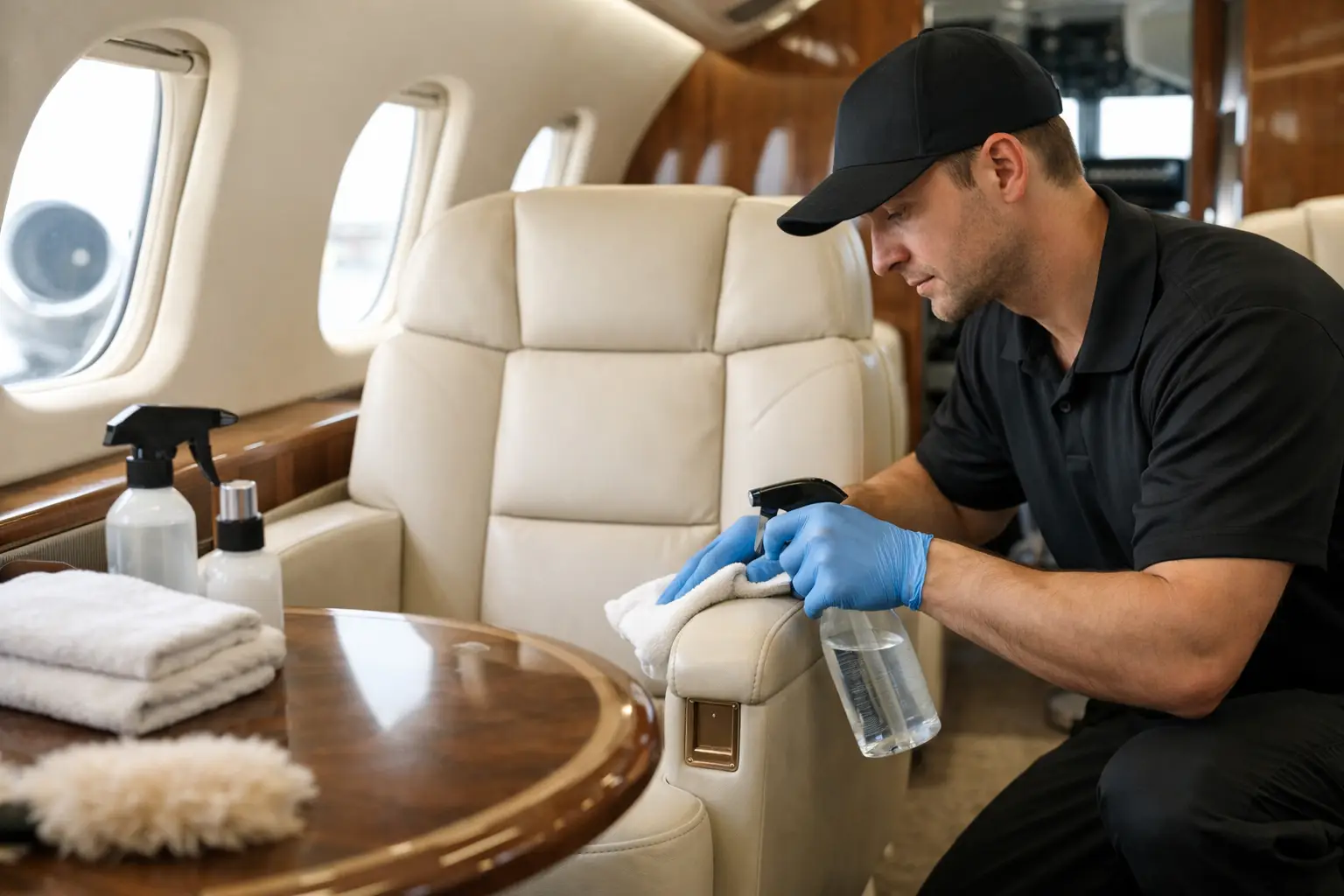
Airplane Interior Detailing Calgary: A Practical Guide
A clean aircraft cabin does more than create a better first impression. It makes every flight more comfortable, helps preserve sensitive finishes, and gives owners a clearer view of the condition of their interior. For airplane interior detailing Calgary aircraft owners can arrange around their schedule, the goal should be careful, material-aware cleaning that respects the difference between an aircraft and an ordinary vehicle.
Whether your aircraft is used for business travel, flight training, private family trips, or charter operations, the cabin sees regular wear. Dust settles in vents and seams, footwear marks carpet and entry areas, fingerprints build up on trim, and spills can leave stains or odours behind. A professional detail restores the space without adding unnecessary moisture, harsh chemicals, or disruption to your day.
Why aircraft interiors need a different approach
Aircraft interiors are compact, highly finished, and often built with a mix of materials in close proximity. Leather, vinyl, carpet, plastic trim, fabric headliners, wood-look panels, polished metal, and delicate controls all need different handling. The right result is not simply a cabin that looks glossy. It is a cabin that looks clean, feels fresh, and has been treated with products appropriate for its surfaces.
Excess water is one of the biggest concerns in enclosed aircraft spaces. Saturating carpet, seats, or seams can create long drying times and raise the risk of lingering odours. Careful interior detailing uses controlled application, light agitation where appropriate, and thorough extraction or wipe-down methods. The cabin should be dry and ready to use, not left damp after a cosmetic clean.
Detailing also requires restraint around instrument panels, switches, screens, vents, and other sensitive areas. These surfaces should never be heavily sprayed or treated with greasy dressings. A clean, low-residue finish helps maintain a professional appearance without creating glare or attracting more dust.
What a thorough airplane interior detail can include
The scope of service depends on the aircraft, its condition, and how it is used. A lightly used private plane may only need a maintenance refresh, while a busy cabin with passenger traffic, pets, food, or seasonal dust may benefit from a deeper service.
A well-planned appointment commonly focuses on vacuuming carpets, mats, seats, seams, storage areas, and hard-to-reach crevices. Interior panels, tables, armrests, door areas, cup holders, and trim are cleaned with suitable products. Glass and interior windows receive streak-free attention, while leather or vinyl seating can be cleaned and conditioned as needed.
Odour treatment may also be useful when a cabin has picked up food smells, moisture, smoke residue, or pet odours. The best method depends on the source. Covering an odour with a strong fragrance is rarely a lasting solution. Proper cleaning of the affected upholstery, carpet, and contact surfaces is usually where the improvement begins.
For aircraft with fabric seating or carpet stains, expectations should be realistic. Some older marks, sun fading, dye transfer, and wear cannot be completely removed without repair or replacement. A professional detailer should explain that difference clearly rather than promising a brand-new appearance where the material itself has deteriorated.
Mobile detailing at your hangar or home base
Convenience matters when the aircraft is stored away from home or when your schedule is already built around flight planning. Mobile airplane interior detailing can take place at a hangar, private storage location, or other approved site, provided there is suitable access and the facility allows detailing work.
Before booking, confirm a few practical details with your hangar or airport operator. Ask whether mobile service providers can enter the property, whether water use or electrical access is available, and whether there are specific rules for waste disposal, parking, security, or work near aircraft. These requirements vary by location, and planning ahead keeps the appointment efficient.
A mobile setup is especially useful when you want the cabin cleaned before an upcoming trip, after a busy flying season, or between passenger uses. Instead of moving the aircraft solely for an interior refresh, you can have the service coordinated where the aircraft is already parked. Elegance Motor Calgary LTD brings that convenience-led approach to specialized interior detailing appointments across Calgary.
Calgary conditions can show up inside the cabin
Calgary owners know how quickly dirt travels from outside surfaces into an interior. Snow, slush, gravel, sand, and road salt can be carried onto footwear and transferred to aircraft carpets and entry points. During dry periods, dust and fine debris can settle in cabins that are stored or frequently accessed. Spring and summer can bring pollen, grass, and moisture from outdoor activity.
Regular cleaning helps prevent these contaminants from becoming embedded. Carpet fibres hold grit that can look minor at first but becomes harder to remove over time. Leather and vinyl also benefit from regular care because body oils, sunscreen, and everyday contact can gradually dull the finish.
How often your aircraft needs detailing depends on use. An aircraft flown occasionally and kept in a clean hangar may only need seasonal service plus spot cleaning. A plane that carries frequent passengers, children, pets, clients, or training crews may need attention more often. The practical standard is simple: schedule service before dirt, odours, and stains become part of the cabin.
Protecting comfort, presentation, and resale appeal
For many owners, the cabin is part of the aircraft's value story. A clean, well-kept interior signals care to passengers, prospective buyers, maintenance teams, and anyone evaluating the aircraft. It does not replace mechanical maintenance or repair worn upholstery, but it helps preserve what is already in good condition.
Presentation matters for business aircraft and private flights alike. Passengers notice dusty vents, marked armrests, crumbs in seams, streaked windows, and dull trim almost immediately. They also notice the opposite: fresh seating, clean carpets, clear surfaces, and an interior that feels cared for.
There is a practical comfort benefit, too. Removing dust, debris, and surface grime makes the cabin more pleasant for the people spending time in it. This is particularly valuable in smaller cabins, where odours and clutter can feel more noticeable than they do in a larger vehicle.
How to prepare for an interior detailing appointment
Preparation is simple and helps the detailer spend more time on the cleaning itself. Remove personal belongings, paperwork, headsets, loose equipment, and valuables from the cabin where possible. If there is a spill, stain, or odour you want addressed, point it out before the appointment begins and share what caused it if you know.
It also helps to identify any surfaces that need extra caution, such as recently repaired upholstery, custom trim, sensitive finishes, or areas with existing damage. Clear communication protects both the aircraft and your expectations. If you have a tight departure time, mention it when scheduling so the service can be planned around the aircraft's availability and drying requirements.
Choose care over a quick cosmetic clean
Not every cleaning service is suited to an aircraft interior. The best choice is a provider that understands controlled product use, tidy mobile work practices, and the importance of leaving a cabin dry, clean, and ready for its next use. Faster is not always better if the work leaves residue on panels, moisture in carpet, or overlooked debris in the areas passengers touch most.
A good airplane interior detail should make ownership easier. Schedule it around your aircraft's location and upcoming flights, address the areas that truly need attention, and keep the cabin in a condition you will feel good about every time the door opens.


Comments