

Alberta Window Tint Laws for Calgary Drivers
A darker cabin can make Calgary commutes more comfortable, reduce glare, and add privacy to the rear of your vehicle. But one piece of film in the wrong place can also lead to a ticket, a failed inspection, or the cost and hassle of having tint removed. Understanding Alberta window tint laws before your appointment makes the decision simple.
For most drivers, the practical rule is straightforward: keep aftermarket tint off the windshield and front side windows, and use tint on the rear glass where it is generally permitted. The details matter, especially when factory privacy glass, windshield strips, used vehicles, and aftermarket film enter the picture.
Alberta Window Tint Laws: The Practical Rules
Alberta's rules focus heavily on a driver's ability to see clearly and on an officer's ability to see into the front of a vehicle. That is why the front windshield and the windows directly beside the driver are treated differently from rear passenger and rear windshield glass.
Windshield tint
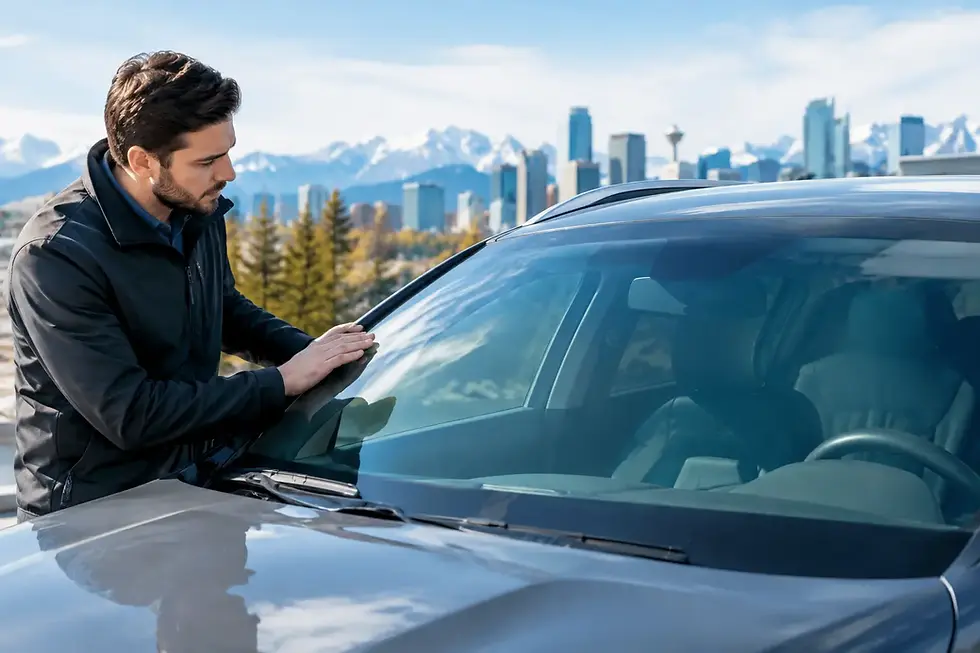
Do not apply aftermarket tint film across the main viewing area of the windshield. Alberta rules restrict sunscreen material on the windshield because it can reduce visibility, particularly at night, in rain, or when glare from snow and wet pavement changes quickly.
A narrow shade band at the very top of the windshield may be permitted within the regulated upper area. However, the safe approach is not to guess based on what looks common on other vehicles. A strip that extends too far downward, is too dark, or interferes with your view can still create a compliance issue. If your main goal is glare reduction, a quality sun visor, clean glass, and properly maintained wipers may be the better option.
Driver and front passenger windows
Aftermarket tint on the front side windows is generally not permitted in Alberta. This means the windows immediately to the left and right of the driver should remain free of added tint film, even if the film is marketed as light, legal, or nearly clear.
This can surprise drivers who have moved from provinces with percentage-based front-window rules. Alberta enforcement is not simply about choosing a film with a certain visible-light-transmission rating. A light aftermarket film can still be a problem on the front windows. If you want a consistent appearance, a professional installer can help you choose a rear tint that works with your vehicle's untinted front glass rather than trying to make every window match.
Rear side windows and rear windshield
Rear passenger windows and the rear windshield can generally be tinted. These are the areas where privacy, heat reduction, and a more finished look are usually achievable without creating the same legal concern as front-window film.
Very dark rear tint is common, but visibility should still guide the choice. If you often reverse in poorly lit parkades, drive rural roads at night, or rely on the rear view through the glass instead of a camera, an extremely dark film can be less convenient. Functional exterior mirrors are also essential when the rear glass is darkened.
Factory Privacy Glass Is Not the Same as Added Film
Many SUVs, trucks, vans, and family vehicles leave the factory with darker rear glass. This is often called privacy glass. It is coloured glass made during manufacturing, not a removable layer of film applied afterward.
Factory glass and aftermarket tint can look similar, but they are not treated the same way in practice. A vehicle's original glazing is built to applicable manufacturing standards. Added film is where owners can unintentionally cross the line, particularly on the windshield or front doors.
There is another practical difference: factory privacy glass may offer privacy but not the same level of heat rejection or UV performance as a quality window film. A rear film can improve comfort and protect interior materials, but the final darkness is created by combining the glass and the film. On a vehicle with already-dark factory rear glass, adding a dark film may make nighttime visibility worse than expected. Discuss the existing glass with your installer before selecting a shade.
Why Compliance Matters Beyond Avoiding a Ticket
Tint rules are not only about appearances. Front-window restrictions are tied to sightlines and roadside safety. Calgary winters bring low sun angles, snow glare, early darkness, and wet roads that reflect headlights. Those conditions can make a subtle reduction in front-side visibility feel much more significant.
There is also the practical issue of roadside stops and vehicle inspections. If an officer identifies non-compliant tint, you may be required to remove it. The money spent on the original installation, removal, and reinstallation in a legal location can add up quickly.
For rideshare drivers, family vehicles, and work vehicles, a clear front cabin also helps passengers and other road users communicate with you at intersections, crosswalks, and busy pickup areas. The legal option is often the easier one to live with every day.
Choosing Tint That Works for Your Vehicle
The best legal tint is not automatically the darkest tint. It should suit how you use your vehicle, where you park, and what you want to protect. Rear tint can reduce harsh sunlight for children or passengers, increase privacy for cargo, and help preserve leather, plastics, and interior trim from UV exposure.
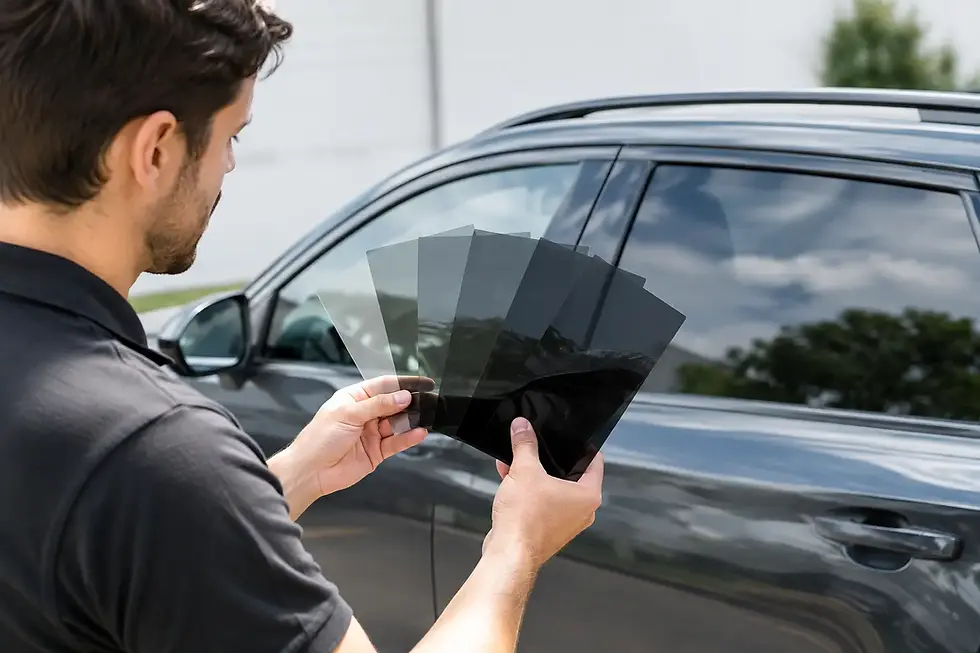
Ceramic window film is often worth considering when heat rejection matters. It can improve comfort without relying solely on an extremely dark shade. That is useful for drivers who want a premium result while keeping rearward visibility reasonable. Standard dyed films can provide a darker look at a lower cost, but may not deliver the same heat performance or long-term colour stability.
Think about your regular driving conditions before choosing a shade. A commuter who spends most of the day in a bright open parking lot may prioritize heat rejection. A parent transporting children may value rear-seat comfort and privacy. A driver who regularly backs into a dark garage may prefer a lighter rear film. There is no single best percentage for every vehicle.
It is also wise to avoid tinting headlights, taillights, or other required lamps. Darkened lamps can reduce visibility and create separate equipment concerns. Window film belongs on the permitted glass areas, not on lighting equipment.
What to Check Before a Tint Appointment
Start by identifying which windows are factory privacy glass and which are clear. Look for markings in the lower corner of each window, and remember that a used vehicle may already have aftermarket film from a previous owner. If the front windows appear darker than expected, do not assume they are factory-tinted or compliant.
Next, decide what outcome matters most: heat reduction, privacy, UV protection, a uniform appearance, or rear-seat comfort. A clear conversation about these goals helps an installer recommend a legal solution rather than simply applying the darkest film requested.
Ask whether the proposed film will be installed only on permitted rear glass and what the finished result will look like over existing factory privacy glass. You should also ask about film quality, curing time, cleaning instructions, and warranty coverage. Fresh tint needs time to cure, and temporary haziness or small water pockets can be normal during that period.
For drivers who need help balancing appearance, comfort, and compliance, Elegance Motor Calgary can bring professional vehicle-protection service to your home or workplace. A properly planned rear tint installation saves time, protects your interior, and avoids turning a simple upgrade into a removal job.
A Note on Medical Needs and Special Situations
Drivers sometimes assume a medical condition automatically allows front-window tint. Do not rely on that assumption. Alberta's vehicle-equipment requirements and any possible accommodations should be confirmed directly with the appropriate provincial authority before film is installed. A note from a clinic is not a substitute for knowing the applicable rule.
The same caution applies to film advertised online as “legal everywhere.” Tint laws vary by province and state, and marketing language does not override Alberta requirements. A film may be acceptable on rear glass, unsuitable for front doors, or legal somewhere else but not here.
Choose rear-window tint that supports your comfort without compromising the view you need after dark. A clean, legal installation should make daily driving feel better, not give you one more thing to worry about when the lights flash behind you.

Comments