
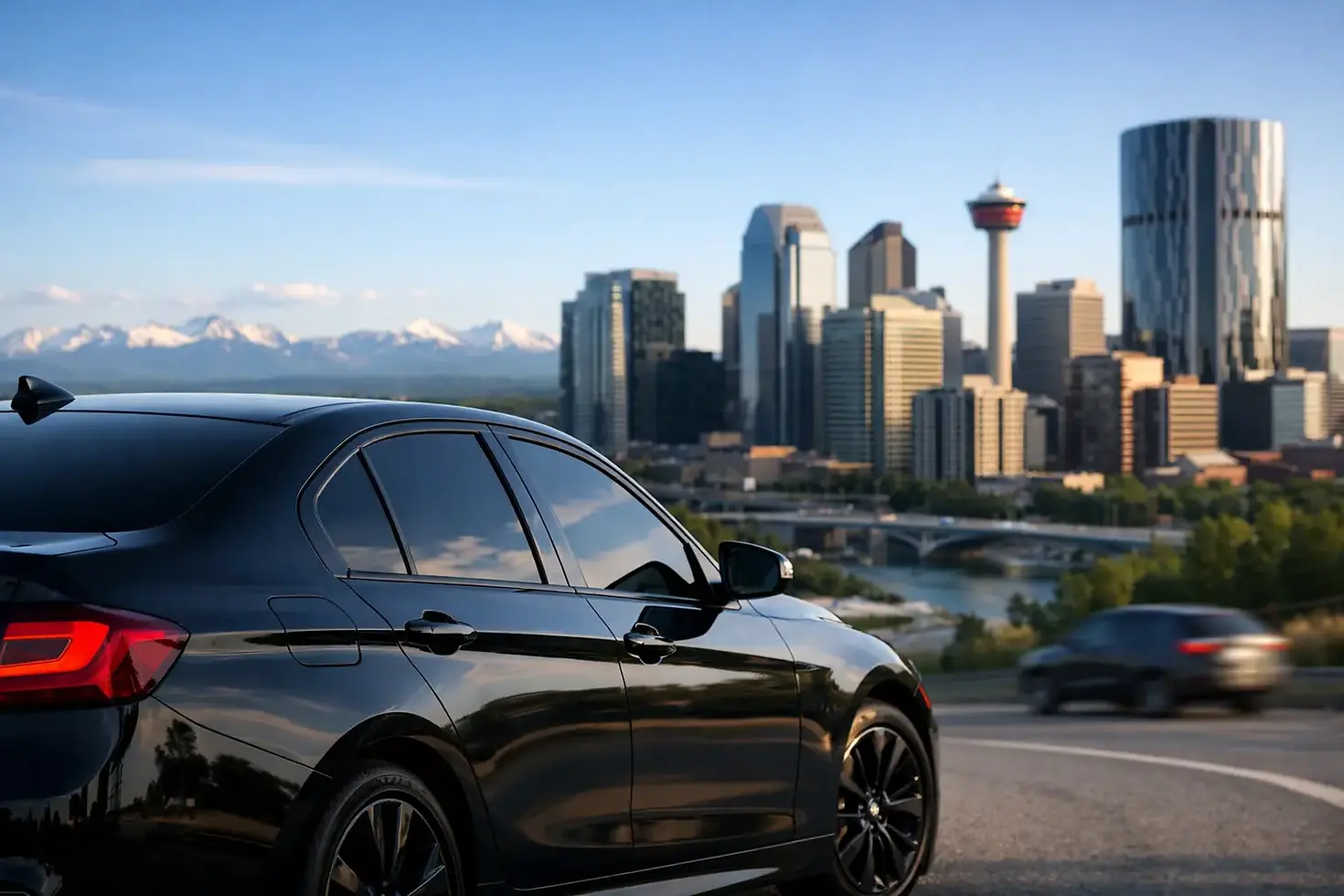
Window Tinting Calgary for Daily Driving
A bright Calgary afternoon can turn a routine drive home into a squinting contest. Sun reflecting off snow, low-angle glare on Deerfoot Trail, and a cabin that heats up quickly can make even a short trip less comfortable. Professional window tinting Calgary vehicle owners choose is about more than a darker look. The right film can improve comfort, reduce glare, add privacy, and help protect interior surfaces from daily sun exposure.
For busy drivers, the best tinting service is also one that fits around the rest of life. Whether your vehicle is parked at home or at work, a properly planned mobile appointment removes the need to rearrange your day around a shop visit.
Why window tinting makes sense in Calgary
Calgary drivers experience sharp seasonal changes, clear sunny days, and plenty of road time. Window film helps manage the light and heat entering the cabin, which can make commutes, school drop-offs, and long highway drives more pleasant. It also reduces some of the UV exposure that contributes to fading, drying, and premature wear on leather, vinyl, trim, and upholstery.
Glare reduction is one of the most immediately noticeable benefits. It is particularly useful when sunlight reflects from wet roads, snowbanks, glass buildings, or the hood of the vehicle ahead. Tint is not a replacement for sunglasses or safe driving habits, but it can make changing light conditions easier on your eyes.
Privacy is another practical reason to tint rear windows. A darker rear cabin can make bags, sports gear, child seats, and work equipment less visible from outside. It is not a security system, and valuables should never be left in plain view, but it adds a useful layer of discretion for everyday parking.
There is also the appearance factor. Clean, professionally installed film gives windows a more finished, consistent look. On a newer luxury or performance vehicle, it can complement paint protection film, ceramic coating, and regular detailing. On a hardworking family SUV or commuter sedan, it delivers a polished upgrade without changing how the vehicle is used.
Choosing window tinting in Calgary that suits your vehicle
The best film is not always the darkest film. Your ideal choice depends on how you use the vehicle, who rides in it, the visibility you prefer, and the applicable rules for each window. A driver who spends hours on the road may prioritize heat rejection and clear visibility. A family may focus on protecting rear-seat passengers from sun and glare. A rideshare driver may want a professional appearance and a comfortable cabin without making nighttime driving more difficult.
Understand visible light transmission
Tint shade is commonly described by visible light transmission, or VLT. This refers to the amount of visible light that can pass through the glass and film. A lower percentage means a darker appearance, while a higher percentage allows more light through.
The number alone does not tell the whole story. Factory privacy glass, often found on SUVs and trucks, already has a darker appearance. Adding film changes the final result, so a professional should assess the existing glass before recommending a shade. This helps avoid an outcome that looks darker than expected or reduces visibility more than you want.
Look beyond darkness
Film technology matters. Entry-level dyed films can offer a darker appearance and some glare reduction, but they may not deliver the same heat-management performance or long-term colour stability as higher-grade options. Metallic films can reject heat effectively, though their reflective look may not suit every vehicle and can be a consideration around electronic signals.
Ceramic window film is often the premium choice for drivers who want strong heat rejection without relying on an extremely dark shade. It is designed to help reduce infrared heat while maintaining a clean, non-reflective finish. That can be especially valuable if you want a more open view at night but still want improved comfort during sunny daytime driving.
A quality installation should also include film selected for automotive glass, careful edge finishing, and clear aftercare guidance. Cheap film or rushed work can lead to bubbles, peeling edges, purple discolouration, haze, or an uneven finish that becomes more obvious over time.
Consider visibility, safety, and Alberta requirements
Tint should support your driving, not work against it. Darker is not automatically better, especially if you frequently drive at night, use unlit rural roads, reverse in poorly lit parkades, or rely on clear side visibility during busy city traffic. A balanced setup often gives rear passengers and rear cargo areas more shading while preserving a confident view from the driver’s seat.
Alberta requirements for window tint can be more restrictive on front glass than on rear windows. Rules can also change, and the details may depend on the type of glass and where the film is applied. Before choosing a shade, confirm the current requirements and discuss your vehicle with an experienced installer. A professional recommendation should account for legal compliance as well as the final appearance you want.
Windshield film is a separate consideration. The windshield is central to safe visibility, so any film placement must be handled carefully and in line with current regulations. If glare and heat through the windshield are your biggest concerns, ask about compliant options rather than assuming a standard side-window tint solution applies.
What a professional mobile installation should feel like
A mobile tint appointment should be convenient without feeling rushed. Before installation begins, the installer should confirm the film selection, inspect the windows, and explain what to expect while the film cures. The glass needs thorough preparation because dust, residue, and contamination can affect the finish.
During installation, precision matters around window edges, seals, defroster lines, and complex rear glass. The goal is a smooth, uniform result with no obvious gaps, trapped debris, or uneven alignment. Some moisture or a slightly hazy appearance can be normal during the curing period, particularly in changing temperatures. Your installer should tell you when it is safe to roll down the windows and how to clean the film afterward.
The time required depends on the vehicle, number of windows, film type, and condition of the glass. A compact sedan is different from a large SUV, truck, or vehicle with previous tint that needs removal. Being clear about the vehicle and your desired result before the appointment helps the job move efficiently.
Mobile window tinting works around your schedule
For many vehicle owners, convenience is the deciding factor. Taking time off, arranging a ride, or waiting at a shop can turn a straightforward upgrade into a task that keeps getting postponed. Mobile service makes more sense when the installer can come to your driveway or workplace and complete the work in a suitable environment.
Elegance Motor Calgary LTD brings professional vehicle-protection services directly to customers across Calgary, with appointments designed around real schedules. That is useful for professionals with packed workdays, parents managing family routines, and owners who would rather keep their vehicle close to home.
A proper mobile setup still needs the right conditions. The vehicle should be accessible, the windows should be dry and reasonably clean, and there should be enough sheltered space to protect the installation from excessive wind, dust, rain, or snow. If weather creates a risk to the final result, rescheduling is often the better choice. Quality should come before convenience when the two conflict.
Common questions about window tinting
Will tint make my vehicle cooler?
It can help reduce solar heat entering through the windows, especially when you choose a higher-performance film. Results vary by film type, shade, window area, vehicle colour, and how long the vehicle is parked in direct sun. Tint improves comfort, but it does not replace air conditioning or a windshield sunshade on very hot days.
Can window tint be installed over factory privacy glass?
Yes, in many cases. However, the existing privacy glass affects the final darkness and appearance. A professional assessment helps you choose a film that achieves the result you want without making the rear glass excessively dark.
How should tinted windows be cleaned?
Use a soft microfiber cloth and an ammonia-free automotive glass cleaner once the film has fully cured. Avoid abrasive pads, harsh chemicals, and scraping tools near film edges. Gentle cleaning helps keep the finish clear and free from scratches.
Is window tint worth it on an older vehicle?
Often, yes. Tint can refresh the appearance of an older vehicle while helping reduce glare and protect an interior that may already show signs of sun exposure. The condition of the glass and window seals should be checked first, particularly if the vehicle has aftermarket accessories or prior film.
The right tint should make every drive feel easier, whether you are crossing the city in afternoon glare or loading the family in a sunny driveway. Choose a film that matches how you drive, protect visibility where it matters most, and let a professional handle the details so the finished result looks right from day one.


Comments